What is Radon?
Radon is a cancer-causing radioactive gas. You cannot see, smell or taste radon, but it may be a problem in your home. The Surgeon General has warned that radon is the second leading cause of lung cancer in the United States today. If you smoke and your home has high radon levels, you’re at high risk for developing lung cancer. Some scientific studies of radon exposure indicate that children may be more sensitive to radon. This may be due to their higher respiration rate and their rapidly dividing cells, which may be more vulnerable to radiation damage. We use a more detailed continuous-monitoring device that provides hourly and average readings. Data is downloaded directly from the device to our computers for immediate results after 48-hours.
Dangers of Radon
Radon is a health hazard and is considered the second leading cause of lung cancer, next to cigarette smoking. Since it is colorless and odorless, it’s hard to detect until a radon test is done. Radon is called a silent killer. Many homeowners have no idea how toxic this gas is. Studies show a correlation between breathing high concentrations of radon and lung cancer, according to the. Smokers are more susceptible to lung cancer due to the synergistic effects of both radon inhalation and smoking. A person who never smoked but is exposed to 1.3 pCi/L has a 2 in 1000 chance of lung cancer, while a smoker has a 20 in 1,000 chance of dying from this disease.
Radon also produces radioactive decay products called radon daughters or radon progeny. These decay products are robust and stick to surfaces as dust particles that can easily be inhaled. Inhalation of contaminated dust can also cause lung cancer.
You can’t see or smell radon. Testing is the only way to know your levels. Radon poisoning may be one of the reasons why your house could be making you sick.
How Does Radon Enter Your Home?
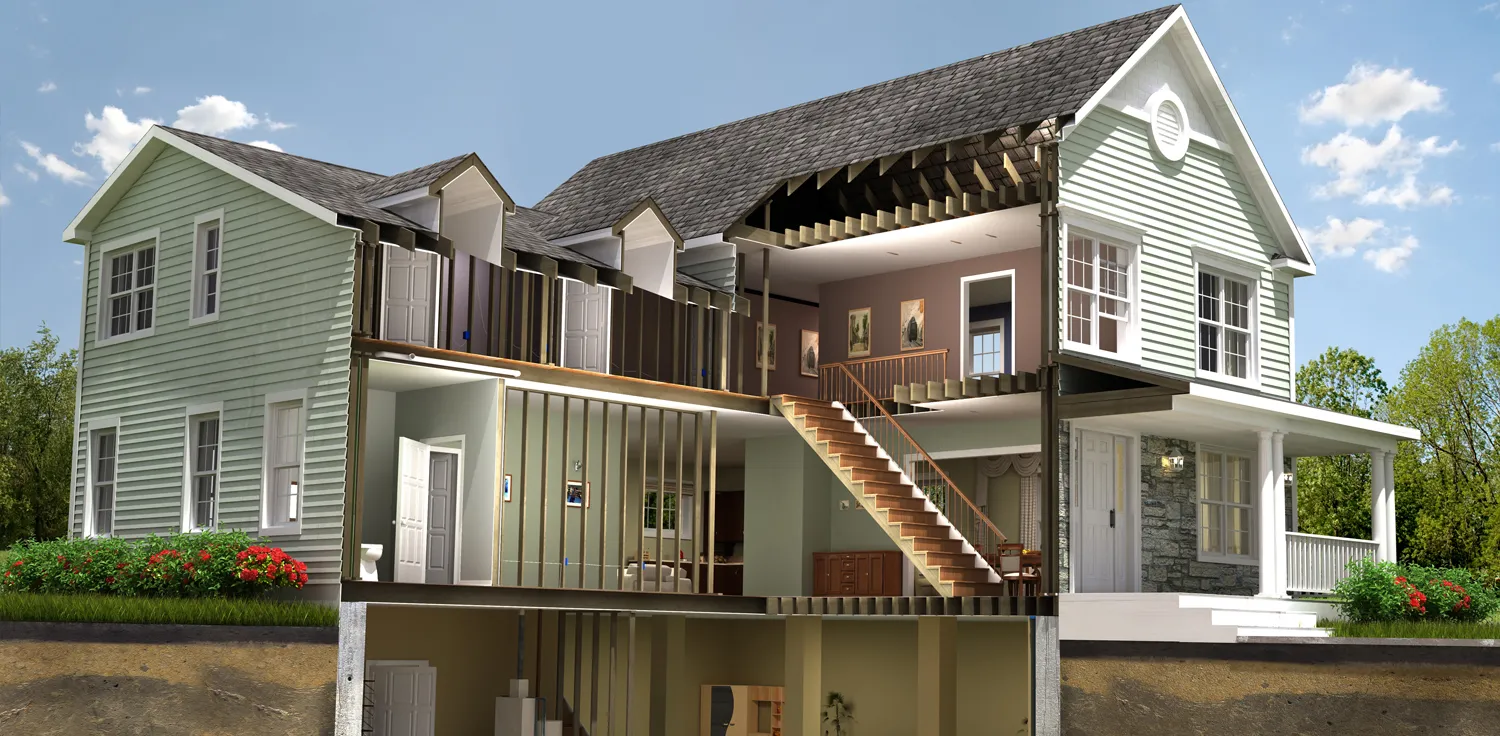
Radon gas can seep through cracks and other holes in the foundation, pores in concrete, and gaps in walls and floors. Common ways for radon to enter your home are as follows:
- Cracks in the floors
- Cracks and holes in your foundation
- Construction joints
- Gaps in suspended floors
- Service pipes gaps
- Cavities inside walls
- Water supply
Radon Testing
EPA highly recommends that you hire a professional to conduct the radon test, and you can Call Us Today for your Radon Testing in Atlanta, GA.
The EPA also recommends that you should “consider taking action” when the radon level exceeds 1.9 pCi/L. Radon levels between 2.0 pCi/L and 4.0 pCi/l also carry some risk over long-term exposure. Lowering the radon level reduces the risk of lung cancer.
Any radon levels over the EPA-established 4.0 pCi/L are recommended to take corrective measures, i.e., installing radon mitigation which reduces the radon gas concentrations in the home. Just because the house has elevated radon levels doesn’t mean it’s a bad home; it just means the radon needs to be managed and reduced to acceptable levels with mitigation.
Why Blue Grizzly?
We want to give the buyer the best inspection service possible. That’s why we are committed to providing thorough, high-quality inspection reports for every home, townhouse and condo we inspect in Atlanta and the Metro Area. We have the experience and knowledge to check buildings and homes for code and maintenance issues, building defects and deferred repairs.
After each inspection, we’ll give you a comprehensive report that includes information about each component and system in the home, such as plumbing and electrical systems. We include any building defect, maintenance issue or necessary repair, no matter how small, so you have all the information you need to make your decision.

All debit and credit card payments are accepted online.