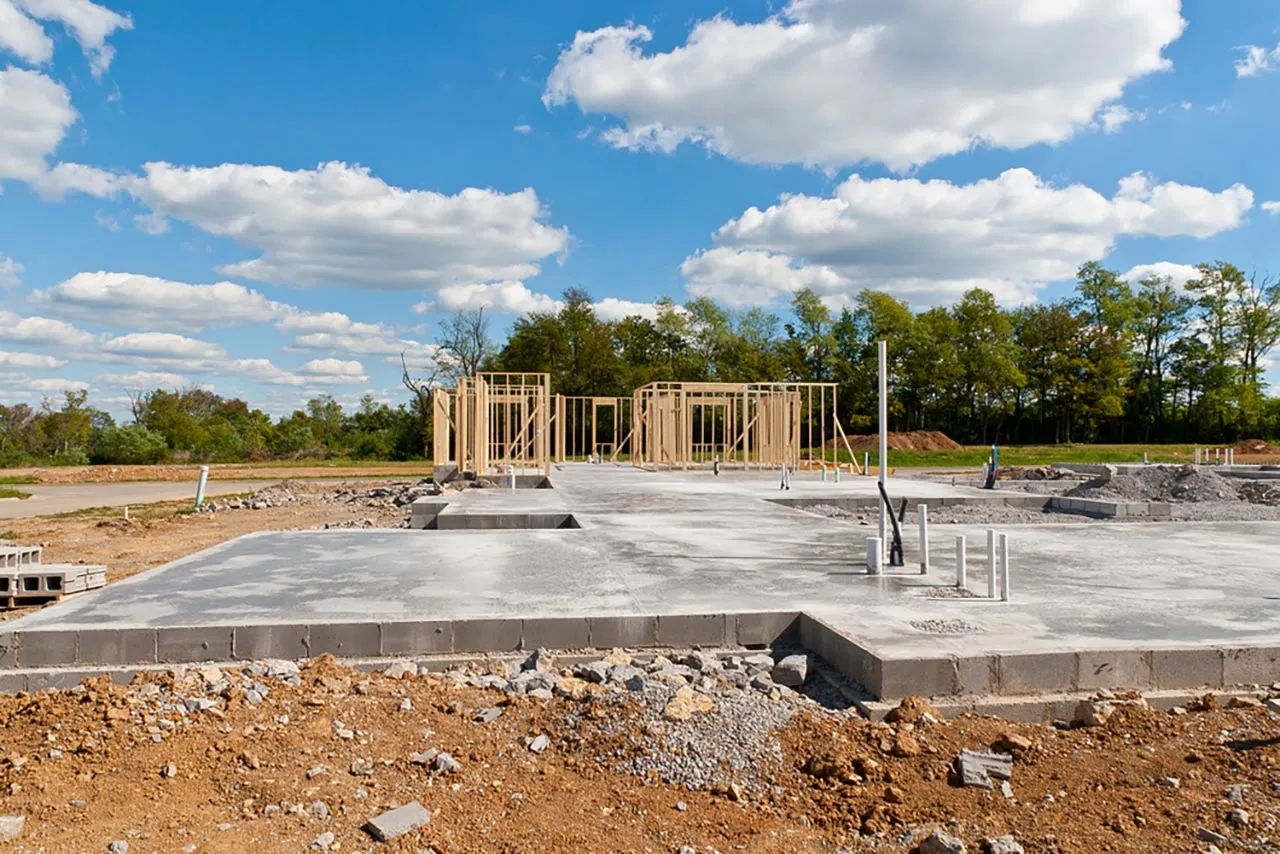
Concerned about your Home's foundation?
According to the American Society of Civil Engineers, many areas of Georgia have clay soils that can be easily affected by moisture content. Any changes can cause the soil to either shrink or swell, causing movements in the foundation. Apart from the natural factors, the design, landscaping practices, deterioration of materials, and stability can greatly impact the strength of your home’s foundation.
Common causes of foundation movement include poor grading, standing water, and active soils that have dried. A foundation problem is no simple problem. You need a professional report to give you real knowledge of how extensive your foundation damage is.
4 Common Signs You Need a Foundation Inspection
Be on the lookout for these common signs of foundation issues:
- Bulging foundation walls – Bulging is an indication of an uneven load in the foundation.
- Sloping floors – It can be difficult to notice but doing a quick ball test can give you a reasonable idea of how even your foundation is.
- Sticking windows or doors – Your doors should open and close smoothly. If it sticks, most likely this common and very simple nuisance is a sign of a larger foundation problem.
- Foundation cracks – When your walls, ceilings, or floors have cracks, odds are high that your foundation is moving.
What is involved in a Foundation Inspection?
As part of the inspection process, you will be interviewed to identify the timeline of observations. A floor elevation survey will then be conducted to check for correlations between floor elevations and the extent of the damage.
Once the floor elevation survey is done, the inspector will thoroughly inspect the interior and exterior of the structure to look for cracks, damages, separations, leaning of walls, sticking of doors or windows, and any observable evidence of shifting or movement. Additional areas such as gutter, grading, and other surrounding features will also be examined.
The levels of cabinets, doors, trims, and walls will also be checked to see if they are leaning or uneven. If your home is built with piers and beams, the inspector will have to check the crawl space under your home to see if they are not wet or rotted. A damp or musty crawl space is also an indication of plumbing issues that need immediate attention. After the inspection, our professional inspector will explain the findings and make recommendations. You will then receive a digital report within 24 hours following the inspection.
Why Blue Grizzly?
We want to give the buyer the best inspection service possible. That’s why we are committed to providing thorough, high-quality inspection reports for every home, townhouse and condo we inspect in Atlanta and the Metro Area. We have the experience and knowledge to check buildings and homes for code and maintenance issues, building defects and deferred repairs.
After each inspection, we’ll give you a comprehensive report that includes information about each component and system in the home, such as plumbing and electrical systems. We include any building defect, maintenance issue or necessary repair, no matter how small, so you have all the information you need to make your decision.

All debit and credit card payments are accepted online.
Home Inspection Checklist
No house is perfect. Not even the brand new ones. To avoid selecting a property with issues, looking for big-ticket items when previewing properties with your agent is important to make the investment worth it.
A home inspection checklist is a valuable tool to help look at and document certain features of the home when previewing. Do note that a home inspection checklist should not be mistaken as a report, nor should it be a substitute for a professional home inspection. Rather, it is a way to document the features and issues of the homes you are considering that will help you compare these homes at the end of the day.